
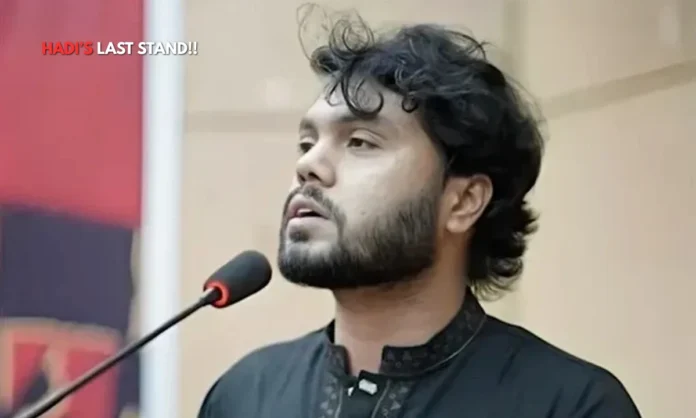
Key Highlights
- Sharif Osman Hadi, 32-year-old student uprising leader, died from gunshot wounds sustained in Dhaka attack, triggering violent protests across major cities.
- Demonstrators torched media offices in Dhaka, raised anti-India slogans in Chittagong, and targeted Awami League properties in Rajshahi.
- Interim leader Muhammad Yunus declared state mourning, vowed transparent probe amid fears of election derailment set for February 12, 2026.
Opening Overview
Sharif Osman Hadi death has unleashed waves of violent protests across Bangladesh, plunging the nation into chaos just weeks before pivotal elections. The 32-year-old radical leader, shot in the head by masked assailants during his campaign launch in Dhaka on December 12, succumbed to injuries in a Singapore hospital on Thursday. Thousands poured into streets overnight, demanding justice for Hadi, a polarizing figure from the 2024 student uprising that ousted Sheikh Hasina.
This surge of unrest marks a dangerous escalation in Bangladesh’s fragile post-uprising landscape. Protesters set fire to key buildings, including offices of The Daily Star and Prothom Alo, trapping journalists inside as flames raged. Anti-India rhetoric intensified, with crowds outside the Indian Assistant High Commission in Chittagong chanting slogans linking Sharif Osman Hadi death to Delhi. Yunus’s interim government faces mounting pressure to contain the violence while ensuring polls proceed.
Broader tensions stem from Hasina’s exile in India and radical claims of foreign meddling. Police released suspect photos and a 5 million taka reward, but no arrests yet. As paramilitary forces deploy, the nation of 170 million braces for prolonged instability. Sharif Osman Hadi death has weaponized grief into widespread defiance, testing the limits of transitional governance.
Osman Hadi, who wants to make a "Greater Bangladesh" by capturing India's Northeast region, has been shot in Dhaka.
— Anshul Saxena (@AskAnshul) December 13, 2025
CCTV footage shows that two men on a motorcycle shot him while he was in an e-rickshaw.
His condition is critical. Now, he is making a "Greater Bed" in hospital. pic.twitter.com/JNaVuObXc7
Hadi’s Rise and Assassination Details
- Hadi gained fame as Inquilab Mancha spokesperson during 2024 uprising, known for anti-India stance and election candidacy.
- Shot leaving mosque in Dhaka on December 12; airlifted to Singapore, died Thursday after week on life support.
Sharif Osman Hadi death symbolizes the perils facing Bangladesh’s new political voices. Emerging from the student-led protests that ended Hasina’s 15-year rule, Hadi, at 32, became a youth icon with fiery speeches against perceived Indian influence. His campaign launch turned deadly when masked gunmen fired at close range, striking his head. Treated initially in Dhaka, he was rushed abroad, but wounds proved fatal.
Authorities describe the attack as premeditated by a “powerful network” aiming to sabotage February elections. Police manhunt intensified with suspect sketches and reward offers, yet investigations stall amid public fury. Yunus labeled it a strike against democracy, committing to full probe. Hadi’s body returned amid clashes, drawing massive funeral crowds.
This killing echoes past political violence in Bangladesh, where targeted hits disrupt transitions. With 300 direct parliamentary seats plus 50 for women up for grabs, stakes run high. Official data from Bangladesh Election Commission shows over 100 million registered voters, underscoring the polls’ scale.
Protesters view Hadi as martyr, fueling resolve. His anti-India barbs, including threats to India’s “Seven Sisters,” now amplify street anger following Sharif Osman Hadi death. Interim probes must deliver fast to avert deeper crisis.
Violent Protests Grip Dhaka and Beyond
- Dhaka saw media houses like Daily Star and Prothom Alo torched; staff evacuated as fires raged into night.
- Violence spread to Chittagong with anti-India rallies at missions; Rajshahi targeted Awami League sites.
Bangladesh protests following Sharif Osman Hadi death turned cities into battlegrounds overnight. In Dhaka, mobs vandalized buildings housing top newspapers, with flames engulfing The Daily Star and Prothom Alo. Fire services contained blazes, but operations halted, crippling print and online output. Protesters chanted Hadi’s name, vowing endless agitation until killers face justice.
Chittagong erupted outside the Indian Assistant High Commission, where crowds hurled anti-India slogans amid Hasina exile bitterness. Rajshahi witnessed arson at Bangabandhu Sheikh Mujibur Rahman’s residence and Awami League offices, causing heavy damage. Police and Border Guard Bangladesh deployed en masse, clashing with demonstrators blocking roads.
Tensions lingered late, with Shahbagh near Dhaka University a hotspot. Business Standard skipped city editions due to press shutdowns. These acts target symbols of old regime ties, reflecting deep societal rifts. UN urged calm, citing civic space risks ahead of polls.
Paramilitary presence swelled to prevent escalation. Official security data indicates 50,000 Border Guard personnel active nationwide. Sharif Osman Hadi death has ignited protests that challenge public order across the country.
Anti-India Sentiments Fuel Regional Tensions
| City | Protest Targets | Key Slogans/Actions | Security Response |
|---|---|---|---|
| Dhaka | Media offices (Daily Star, Prothom Alo) | Justice for Hadi; anti-establishment | Police/paramilitary deployment |
| Chittagong | Indian Assistant High Commission | Anti-India chants | Heightened patrols |
| Rajshahi | Awami League office, Mujib residence | Vengeance against Hasina allies | Fire control, arrests |
- Fresh marches under July Oikya banner hit Indian High Commission in Dhaka.
- NCP leader Abdullah threatened severing India’s northeast; India summoned Bangladesh envoy.
Sharif Osman Hadi death amplified anti-India fervor across Bangladesh protests. Demonstrators blame Delhi for backing assailants, reviving claims of interference since Hasina’s flight. Wednesday’s July Oikya rally marched on the Indian High Commission, demanding her return while airing grievances.
Hasnat Abdullah of NCP escalated rhetoric, vowing to detach India’s “Seven Sisters” at an Inquilab Mancha event. India rejected narratives, summoning High Commissioner Muhammad Riaz Hamidullah over threats to missions. Inflammatory statements strain ties deteriorated post-2024.
India issued advisories for nationals: avoid travel, stay indoors, contact missions in emergencies. This follows earlier diplomatic protests. Bangladesh’s 170 million population includes border tensions; IMF notes 6.6% GDP growth forecast for FY2026 amid unrest risks.
Radical elements test Yunus government tolerance. Sharif Osman Hadi death risks broader geopolitical fallout in the region.
Yunus Response and Election Path Ahead
- Yunus: Hadi loss “irreplaceable”; state mourning Saturday, flags half-mast.
- Pledged transparent probe, warned violence derails polls; referendum on reforms February 12.
Muhammad Yunus addressed Bangladesh after Sharif Osman Hadi death, calling for calm in a national broadcast. The Nobel laureate deemed Hadi’s demise a blow to democracy, urging restraint to safeguard elections. Saturday marks state mourning with prayers nationwide.
Government hunts attackers via rewards and photos, probing “conspirator networks.” Yunus links assault to election sabotage efforts. With polls February 12 for 350 seats plus reforms referendum, stability proves crucial. Bangladesh Bank reports inflation at 9.1% year-on-year, straining economy amid unrest.
Interim rule since August 2024 navigates uprising aftermath. Protests test capacity, but Yunus stresses accountability. WHO data shows 1.2 million internal displacements from prior violence spikes.
Sharif Osman Hadi death spotlights vulnerabilities in the nation’s democratic transition.
Closing Assessment
Sharif Osman Hadi death has fractured Bangladesh’s path to stability, igniting protests that expose raw political fault lines. From Dhaka’s burning media hubs to Chittagong’s mission standoffs, violence underscores unresolved uprising grievances and anti-India undercurrents. Yunus must deliver swift justice to quell fury and secure February polls.
This crisis tests interim resolve against radical mobilization. With economic pressures mounting—IMF projects moderated growth—and security stretched, failure risks democratic backslide. India watches warily as rhetoric heats.
Ultimately, channeling grief into accountability offers hope. Bangladesh stands at crossroads: embrace calm for credible elections, or let Sharif Osman Hadi death birth enduring chaos. The coming days will define its democratic dawn.