
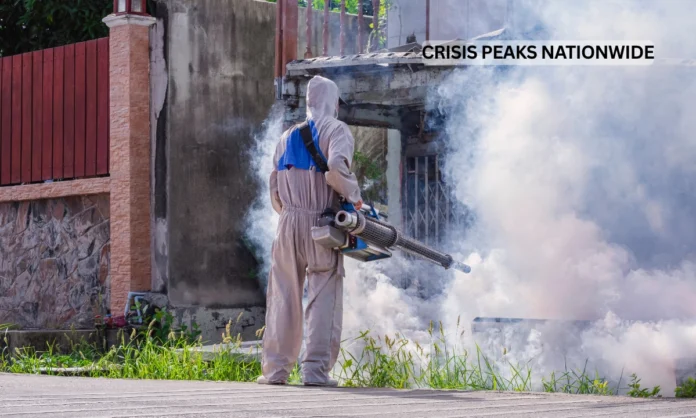
Key Highlights:
- Bangladesh dengue reports highest single-day deaths of 2025 with 12 fatalities and 740 new hospitalizations on September 21
- Current Bangladesh dengue shows 81% higher infection rate compared to 2024, with 41,831 total cases and 179 deaths this year
- Climate change and extended monsoon season create ideal breeding conditions for Aedes mosquitoes across the country
Opening Overview
Bangladesh dengue has reached alarming proportions as health authorities confirmed 12 deaths in a single day on September 21, 2025, marking the highest daily toll recorded this season. The Bangladesh dengue crisis continues to intensify with 740 new hospital admissions reported during the same 24-hour period, bringing the total confirmed cases to 41,831 since January. This unprecedented single-day surge represents a critical escalation in the outbreak, with health officials warning that the crisis could deepen significantly in coming weeks without immediate intervention.
The Directorate General of Health Services revealed that over half of this year’s Bangladesh dengue deaths occurred within 24 hours of hospital admission, highlighting the severe nature of current infections and potential delays in treatment access. The situation has evolved beyond traditional urban boundaries, with rural areas experiencing significant transmission rates for the first time in decades. Current Bangladesh dengue statistics show the infection rate is 81% higher than the previous year, placing unprecedented strain on the country’s healthcare infrastructure.

Bangladesh Dengue Crisis: 2023 Record Year vs 2025 Current Outbreak Comparison
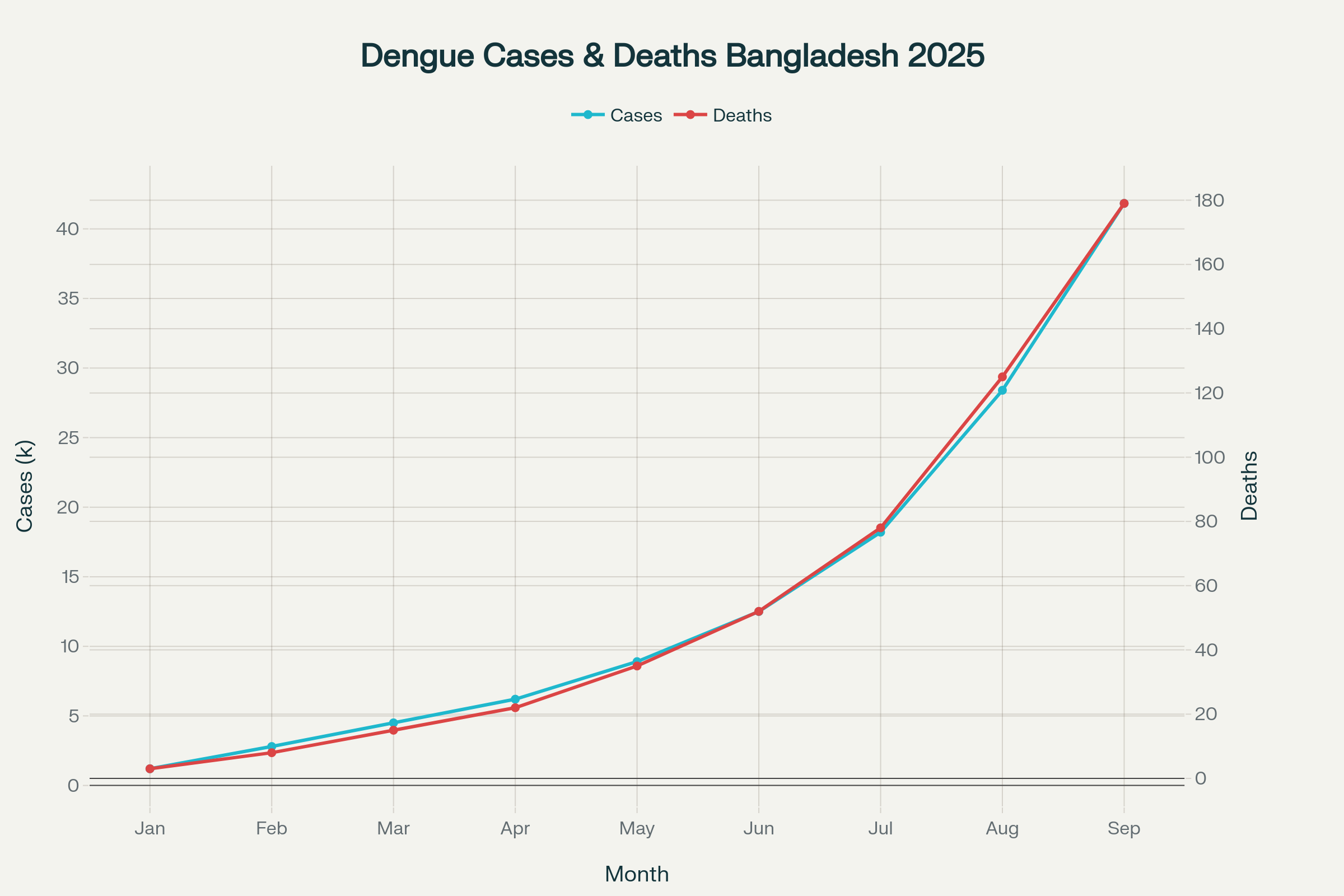
Monthly Progression of Bangladesh Dengue Outbreak: Cases and Deaths in 2025
Climate Factors Driving Unprecedented Transmission
- Extended monsoon season creates prolonged mosquito breeding opportunities across affected regions
- Rising temperatures between 27-32°C provide optimal conditions for Aedes mosquito development and virus incubation
The Bangladesh dengue situation in 2025 has been significantly amplified by changing weather patterns that create ideal conditions for mosquito proliferation. Entomologist Kabirul Bashar from Jahangirnagar University explains that the monsoon season is stretching longer than usual, creating standing water almost everywhere and giving mosquitoes more time and space to breed. This prolonged wet season intensifies the transmission cycle, as temperatures between 27 and 32 degrees Celsius remain optimal for Aedes mosquito breeding throughout extended periods.
Climate change impacts on Bangladesh dengue extend beyond simple temperature increases, with research indicating that global warming has shortened winter periods and increased warm, humid days annually. The Bangladesh Meteorological Department reports that extreme climatic events, including longer heat waves and more rainfall in shorter spells, have become increasingly common. These weather pattern shifts create intense rainfall over shorter durations, resulting in more stagnant water bodies that serve as prime breeding grounds for disease-carrying mosquitoes.
The crisis has been exacerbated by humidity levels ranging from 60 to 80 percent, maximum temperatures between 25°C and 35°C, and rainfall patterns between 200-800mm creating ideal conditions for mosquito survival. Weather data between 1976 and 2022 indicate that Dhaka experiences falling humidity levels, rising temperatures, and heavier summer rainfall, which together with urbanization factors increase the risk of spread throughout major population centers.
Healthcare System Overwhelmed by Current Crisis
- Children increasingly crowd hospital wards with high fever, rashes, and dehydration complications
- Hospital capacity severely stretched as moderate cases require referral to specialized facilities in Dhaka
Bangladesh dengue has overwhelmed healthcare facilities nationwide, with hospitals struggling to cope with the massive influx of patients requiring immediate medical attention. Children represent a particularly vulnerable population in the current crisis, arriving at medical facilities with high fever, rashes, and severe dehydration that can rapidly progress to life-threatening complications. Physician ABM Abdullah warns that children are more vulnerable to rapid fluid loss and shock, making severe infections extremely dangerous for young patients.
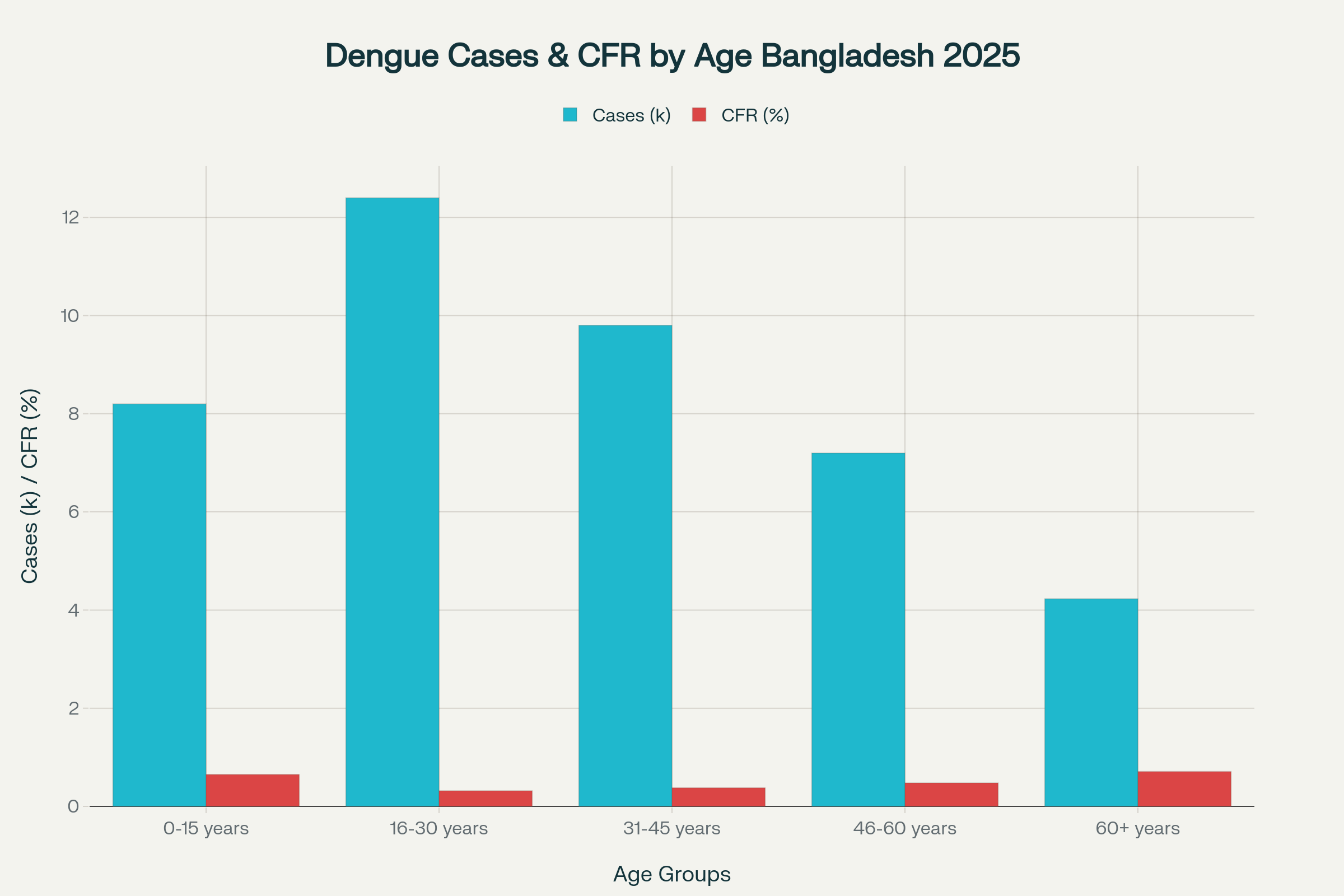
Age-Based Dengue Impact in Bangladesh 2025: Cases vs Fatality Rates by Demographics
Healthcare infrastructure limitations have created a bottleneck effect, where moderate to severe cases from outside Dhaka must travel long distances to access specialized treatment facilities. This centralization of advanced medical care in the capital has contributed to higher fatality rates, as patients often arrive at critical stages after enduring lengthy journeys without proper clinical management. Bangladesh dengue reveals that specialized medical care, including Intensive Care Unit beds, remains predominantly concentrated in Dhaka, creating accessibility challenges for rural populations.
The current situation has also coincided with rising chikungunya cases, compounding the healthcare burden with patients suffering from severe joint pain and lingering weakness. Unlike Bangladesh dengue deaths, chikungunya rarely proves fatal but creates additional strain on medical resources as both children and adults require extended care for debilitating symptoms. Healthcare workers report that many cases are turning severe due to delayed treatment and shortage of hospital beds, particularly in rural areas where medical infrastructure remains limited.
Geographic Expansion Beyond Traditional Urban Centers
- Rural areas experience significant transmission for first time, challenging urban disease assumptions
- Southern divisions show higher incidence rates compared to northern regions, with distinct regional patterns
The 2025 situation demonstrates a significant geographical shift from historical patterns, with rural areas experiencing substantial transmission rates that challenge traditional assumptions about the disease being primarily urban. Research from the 2023 record outbreak revealed that divisions southern to Dhaka had higher incidence compared to northern divisions (2.30 vs. 0.50 per thousand population), a pattern that continues to influence current transmission dynamics. This geographic expansion reflects the presence of Aedes albopictus mosquitoes, which are better adapted to rural environments compared to the city-adapted Aedes aegypti.
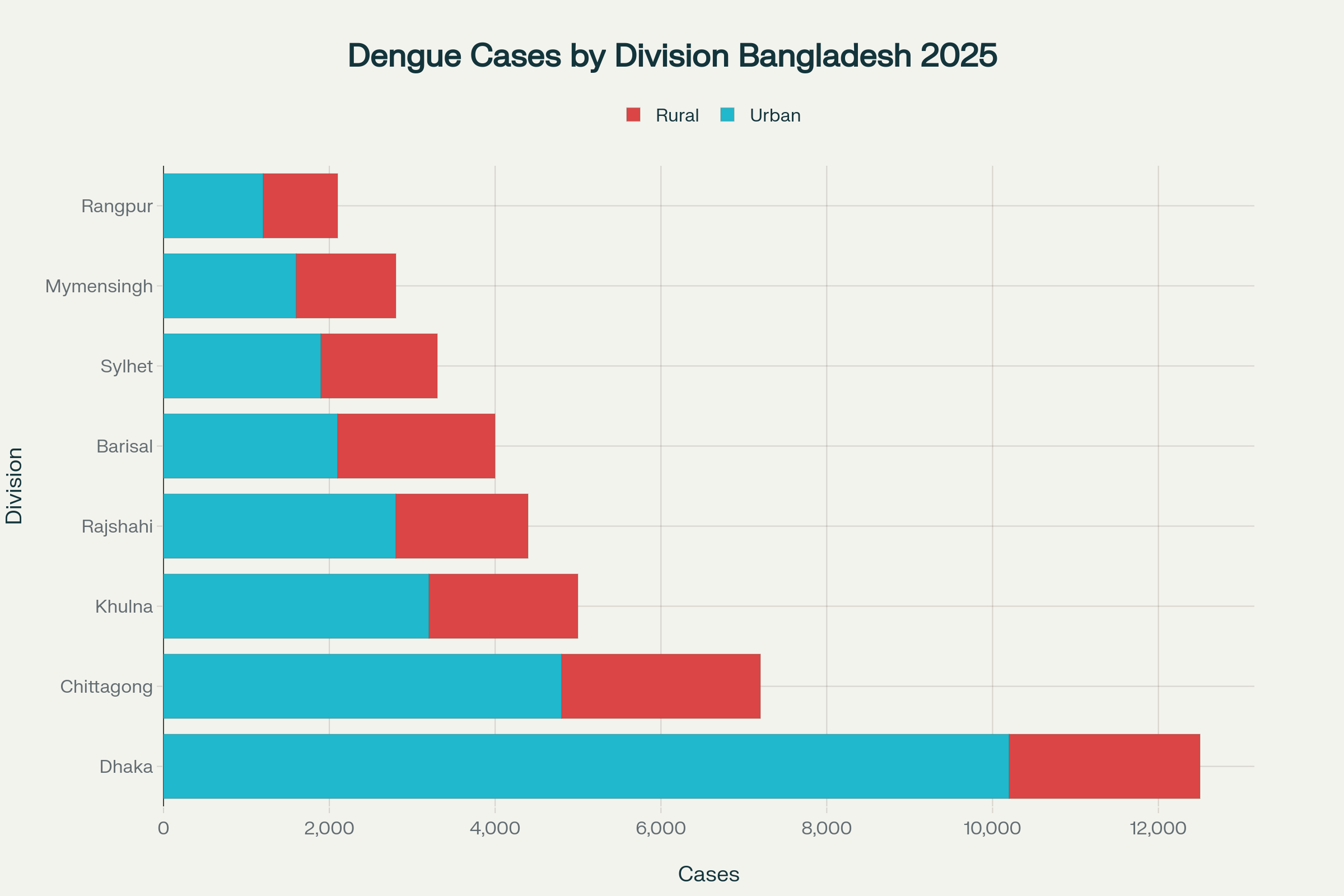
Regional Distribution of Bangladesh Dengue Cases 2025: Urban vs Rural Transmission Patterns
Bangladesh dengue has spread to all 64 districts, with cases increasing rapidly across rural communities that previously experienced minimal transmission. Population movement during religious festivals, particularly Eid celebrations, has contributed to the geographic spread as infected individuals travel from urban centers to rural homes. This pattern of transmission demonstrates how the crisis has evolved from localized urban hotspots to a nationwide public health emergency affecting both metropolitan and remote areas.
Urban-rural population ratios significantly influence transmission rates, with areas experiencing higher urbanization showing increased risk of cases. The southern divisions recorded higher annual temperatures (27.46 vs. 26.54°C) and relative humidity (80.79 vs. 79.08%) compared to northern divisions, creating more favorable conditions for mosquito breeding and virus transmission. These regional differences highlight how geographic and climatic factors combine to create distinct epidemiological patterns across the country.
Prevention Challenges and Future Control Measures
- Rapid urbanization and poor waste management create expanding mosquito breeding grounds
- Construction sites and stagnant water at development projects provide ideal reproductive environments
Bangladesh dengue faces significant prevention challenges due to rapid urbanization, inadequate waste management systems, and proliferation of construction sites that create ideal mosquito breeding environments. Poor waste management practices across urban and peri-urban areas have expanded mosquito breeding grounds, while stagnant water at construction sites provides numerous reproductive opportunities for Aedes mosquitoes. These infrastructure-related challenges make controlling the crisis particularly difficult, as traditional vector control measures struggle to address the scale and diversity of breeding sites.
Health officials emphasize the urgent need for coordinated mosquito control efforts, including regular spraying programs and community clean-up drives in high-risk zones. Bangladesh dengue requires aggressive intervention strategies that address both immediate outbreak control and long-term prevention through improved municipal water systems and waste management infrastructure. Experts warn that without stronger preventive measures, deadly cycles will continue similar to the record-breaking 2023 epidemic.
The crisis highlights the critical importance of early detection systems and rapid response mechanisms to prevent widespread transmission. Public health authorities must enhance surveillance for active cases and establish comprehensive monitoring systems that can identify emerging hotspots before they develop into major epidemics. Future prevention strategies must integrate climate adaptation measures with traditional vector control approaches, recognizing that changing weather patterns will continue to influence transmission dynamics.
Closing Assessment
The current Bangladesh dengue represents a critical juncture in the country’s ongoing battle against this mosquito-borne disease, with the September 21 single-day peak of 12 deaths and 740 new cases serving as a stark reminder of the epidemic’s escalating severity. Bangladesh dengue has evolved from a primarily urban concern to a nationwide emergency affecting both metropolitan and rural populations, challenging traditional disease control strategies and highlighting infrastructure vulnerabilities.
With infection rates 81% higher than the previous year and healthcare systems under unprecedented strain, the situation demands immediate coordinated action combining vector control, healthcare capacity expansion, and climate-adaptive prevention measures. Without comprehensive intervention addressing the root causes of expanding mosquito breeding grounds and improved early detection systems, Bangladesh faces the prospect of recurring annual cycles that could surpass even the devastating 2023 record of 321,179 cases and 1,705 deaths.