
Key Highlights:
- Curcumin absorption from turmeric increases severalfold when paired with black pepper, making this one of the most effective food combinations for better gut and liver health due to enhanced anti-inflammatory impact
- Non-alcoholic fatty liver disease now affects roughly one in three Indians, underscoring the importance of food combinations for better gut and liver health in everyday diets
- Polyphenol-rich berries with probiotic yogurt are powerful food combinations for better gut and liver health because they selectively support beneficial gut bacteria linked to improved metabolic and liver outcomes
Opening Overview
Digestive wellness and liver resilience are now central to public health conversations as India faces rising rates of metabolic disease and fatty liver disorders. Food combinations for better gut and liver health have become a practical lens through which clinicians and nutrition experts now explain the gut–liver axis to patients, especially in urban India where lifestyle diseases are surging. Systematic reviews suggest that non-alcoholic fatty liver disease affects close to 38 percent of Indian adults and over 35 percent of children, making the liver one of the most vulnerable organs in the country’s metabolic landscape.
At the same time, gastroenterologists warn that poor gut health silently damages the liver through leaky gut, toxin spillover, and disrupted microbiota, illustrating how closely food choices link these two organs. In this context, targeted food combinations for better gut and liver health stand out from generic healthy eating advice because they exploit nutrient synergy and bioavailability. Instead of focusing on single superfoods, this approach pairs specific ingredients so that one improves the absorption, stability, or biological impact of the other.
For example, adding black pepper to turmeric dramatically improves curcumin absorption, while combining tomatoes with olive oil unlocks more lycopene for antioxidant defense. These food combinations for better gut and liver health are easy to integrate into Indian cooking styles, involve accessible ingredients, and can be repeated daily without complex planning. The gut–liver axis, which is the communication channel between intestinal microbes and liver cells, is now recognized as a key regulator of obesity, diabetes, and fatty liver progression. When gut bacteria are well nourished and the intestinal barrier is strong, fewer toxins reach the liver and metabolic signaling remains balanced.
Food combinations for better gut and liver health such as yogurt with berries, spinach with lemon, and resistant starch-rich meals directly support this axis by improving microbial diversity, micronutrient status, and inflammatory balance. For Indian readers facing long workdays, irregular meals, and high stress, building these combinations into regular plates offers a realistic, evidence-backed way to protect gut and liver function together.
Why Synergistic Food Pairings Matter
- Smart food combinations for better gut and liver health improve nutrient bioavailability and reduce metabolic stress
- Synergistic pairings target inflammation, oxidative damage, and microbiome balance at the same time
The concept of food combinations for better gut and liver health rests on the science of nutrient synergy, which shows that the health impact of one food often depends on what it is eaten with. Fat-soluble carotenoids such as lycopene in tomatoes need dietary fat to be efficiently absorbed across intestinal membranes, which is why traditional Mediterranean-style meals use olive oil with tomato-based dishes. Clinical trials demonstrate that tomato products consumed with olive oil significantly increase plasma lycopene concentrations compared to low-fat or fat-free versions, illustrating how simple food combinations for better gut and liver health can amplify antioxidant defenses.
These antioxidants help counter oxidative stress in hepatocytes and support cardiovascular health, both crucial in populations with high rates of metabolic disease. Apples paired with peanut butter form another practical example of food combinations for better gut and liver health that suit modern Indian lifestyles. Apples provide soluble fiber like pectin, which feeds beneficial gut bacteria and slows glucose absorption, while peanut butter contributes healthy fats and plant protein that stabilize appetite and post-meal sugar levels. Stable blood sugar lowers the burden on the liver to continuously process excess glucose and triglycerides, reducing the risk of progressive fatty liver.
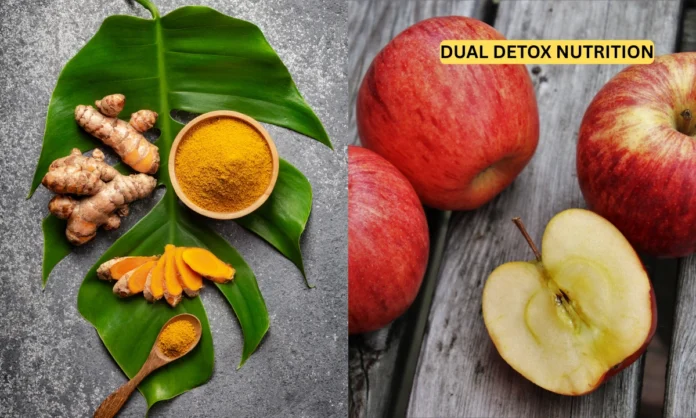
Emerging research on resistant starch also supports this logic: when foods like legumes or cooled potatoes are eaten regularly, they feed microbes that produce short-chain fatty acids associated with reduced liver fat and improved enzymes. These insights show how food combinations for better gut and liver health can help prevent long-term metabolic complications without medication.Turmeric with black pepper is one of the most widely studied food combinations for better gut and liver health. Curcumin, the yellow pigment in turmeric, is rapidly metabolized and poorly absorbed when consumed alone, which limits its therapeutic impact.
Human studies reveal that combining curcumin with piperine, the active compound in black pepper, can raise curcumin bioavailability anywhere from twofold to as much as 20-fold depending on dose and formulation. This significant boost makes turmeric far more effective as an anti-inflammatory and antioxidant agent, especially important for the gut–liver axis where chronic low-grade inflammation drives both digestive symptoms and liver scarring. Regularly using this pairing in curries, teas, or marinades is a simple way to put food combinations for better gut and liver health into daily practice.
Table: Key Nutrient Synergy In Food Combinations For Better Gut And Liver Health
| Combination | Synergy Mechanism | Primary Gut Benefit | Primary Liver Benefit |
|---|---|---|---|
| Turmeric + black pepper | Piperine multiplies curcumin bioavailability | Reduced gut inflammation and better barrier support | Lower oxidative stress and inflammatory signaling |
| Tomatoes + olive oil | Dietary fat improves lycopene absorption | Antioxidant support for intestinal cells | Enhanced antioxidant protection for hepatocytes |
| Yogurt + berries | Probiotics + polyphenols modulate microbiota | Higher beneficial bacteria and SCFA production | Reduced endotoxin load reaching liver |
| Spinach + lemon juice | Vitamin C boosts non-heme iron uptake | Better mucosal integrity via improved iron status | Adequate iron for enzymatic detox pathways |
| Resistant starch foods + fiber-rich vegetables | Fermentable fibers support SCFA-producing microbes | More diverse microbiome and improved motility | Lower liver fat and improved enzyme markers |
Probiotics, Polyphenols, And The Gut–Liver Axis
- Probiotic and polyphenol-rich food combinations for better gut and liver health reshape the microbiome in favor of beneficial species
- A healthier microbiome lowers endotoxin leakage, which is central to protecting the liver from silent damage
Among the most powerful food combinations for better gut and liver health is yogurt with berries, especially for urban Indians looking for quick breakfast or snack options. Yogurt delivers live cultures of Lactobacillus and Bifidobacterium, which help maintain a balanced gut ecosystem and outcompete harmful bacteria that produce inflammatory compounds. These probiotics also generate short-chain fatty acids that reinforce the intestinal barrier, lowering the likelihood of toxins and bacterial fragments entering the bloodstream and reaching the liver. When such leakage occurs, it fuels hepatic inflammation and accelerates fatty liver progression, making microbiome stability central to any strategy built around food combinations for better gut and liver health.
Berries bring a dense package of polyphenols, including anthocyanins and flavonols, that act almost like fertilizer for beneficial gut microbes. Studies show that these polyphenols selectively promote the growth of Bifidobacterium and Lactobacillus while suppressing potentially harmful species, effectively remodeling the gut ecosystem in a favorable direction. As these microbes metabolize polyphenols, they generate bioactive metabolites that travel to the liver and exhibit anti-inflammatory, antioxidant, and insulin-sensitizing effects. This chain reaction illustrates how simple food combinations for better gut and liver health can set off far-reaching biochemical changes without requiring drastic diet overhauls.
India’s gut microbiome profile, often characterized by higher Prevotella abundance due to traditional high-fiber diets, responds strongly to changes in fiber, fermentation, and polyphenol intake. When people replace refined carbohydrates and ultra-processed snacks with food combinations for better gut and liver health that include fermented dairy and colorful fruits, studies show measurable shifts in microbial diversity and metabolic markers within weeks. This has direct implications for obesity and diabetes, as experts now recognize that restoring gut–liver communication via microbiome-focused nutrition can help improve glycemic control and fat metabolism. In practical terms, one bowl of yogurt and berries, consumed regularly, becomes more than a snack: it is a targeted intervention built on food combinations for better gut and liver health.
Micronutrient Bioavailability And Metabolic Risk
- Vitamin C and iron pairings, as well as fat with carotenoids, are pivotal food combinations for better gut and liver health
- Addressing micronutrient gaps via synergy has long-term impact on anemia, immunity, and liver resilience
For vegetarian and largely plant-based households, spinach with lemon juice is one of the most relevant food combinations for better gut and liver health. Non-heme iron from leafy greens is less efficiently absorbed than heme iron from animal foods, which contributes to India’s persistent burden of iron-deficiency anemia. Vitamin C in lemon juice reduces ferric iron to the more absorbable ferrous form and prevents it from binding with inhibitors such as phytates, ramping up absorption several-fold when consumed in the same meal. As a result, regularly using this pairing improves iron status, which supports immune function, oxygen transport, and the many iron-dependent enzymes active in the liver’s detox pathways.
Tomatoes with olive oil remain another cornerstone in the framework of food combinations for better gut and liver health. Lycopene, a potent antioxidant that accumulates in the liver, is better absorbed when tomatoes are cooked and combined with fat, with trials showing marked increases in circulating lycopene in such contexts. Higher lycopene levels are associated with improved oxidative balance and may help buffer the liver against free radical damage tied to pollution, alcohol, and high-fat diets. In Indian kitchens already accustomed to tempering vegetables in oil, simply choosing a healthy fat source and deliberately adding tomatoes is an easy way to align everyday cooking with food combinations for better gut and liver health.
Resistant starch, found in foods like cooled potatoes, lentils, and certain whole grains, has recently joined the conversation on food combinations for better gut and liver health. A multinational randomized trial in people with fatty liver showed that resistant starch significantly reduced liver fat, improved liver enzymes, and favorably altered the gut microbiome compared with control diets. When resistant starch is combined with fiber-rich vegetables and fermented foods, it creates a multi-layered prebiotic environment that supports SCFA production and reduces the presence of bacteria linked to liver fat accumulation. Such meal patterns illustrate how thoughtfully designed food combinations for better gut and liver health can work on micronutrients, macronutrients, and microbes simultaneously.
Food Combinations And India’s Liver Disease Burden
- Rising NAFLD rates make structured food combinations for better gut and liver health an urgent public health tool
- Simple daily pairing habits can complement medical care and slow progression from fatty liver to cirrhosis
India is now recognized as a major hotspot for metabolic dysfunction-associated steatotic liver disease, with pooled analyses indicating a prevalence of around 38.6 percent in adults and more than one-third in children and adolescents. This surge sits alongside high rates of obesity, diabetes, and sedentary lifestyles, making clinical emphasis on food combinations for better gut and liver health more than a wellness trend. Hepatologists and gastroenterologists increasingly highlight that poor diet, gut dysbiosis, and leaky gut together accelerate progression from simple fat accumulation to inflammation, fibrosis, and cirrhosis. In such a landscape, consistent use of targeted pairings such as turmeric with black pepper or yogurt with berries can be part of a broader toolkit to protect liver tissue.
The gut–liver axis explains why food combinations for better gut and liver health are so effective. When people consume diets high in processed sugar, saturated fat, and low fiber, the microbiome becomes imbalanced, the gut barrier weakens, and bacterial products escape into circulation, triggering liver inflammation. In contrast, a pattern built around fiber, antioxidants, healthy fats, and fermented foods stabilizes this axis, improving how the liver handles sugar, fat, and toxins. Experts recommend a foundation of fruits, vegetables, whole grains, legumes, nuts, seeds, and omega-3-rich foods along with probiotics and prebiotics, all of which can be aligned into food combinations for better gut and liver health at each meal.
Public health strategies now increasingly acknowledge that realistic, culturally compatible changes are more effective than restrictive diets that people abandon within weeks. Food combinations for better gut and liver health fit naturally into Indian plates, whether through lemon-sprinkled palak, tomato-based gravies cooked in healthier oils, or homemade curd paired with seasonal fruits. Coupled with regular physical activity, quitting tobacco, and moderating alcohol, these combinations offer a way to slow the progression of non-alcoholic fatty liver disease and reduce the pressure on already burdened liver clinics. As awareness spreads, food combinations for better gut and liver health could become a mainstream preventive strategy, moving from isolated social media advice to integrated clinical counseling.
Closing Assessment
Food combinations for better gut and liver health are emerging as a powerful bridge between advanced science on the gut–liver axis and everyday eating habits. In a country where nearly one in three people may already have some form of fatty liver disease and where digestive complaints are common, relying only on generic dietary advice risks missing the nuanced benefits that nutrient synergy can deliver. From turmeric with black pepper, to tomatoes with olive oil, yogurt with berries, spinach with lemon, and resistant-starch-based meals, these combinations offer tangible ways to reduce inflammation, support the microbiome, and strengthen the liver’s resilience against modern lifestyle pressures.
The appeal of food combinations for better gut and liver health lies in their practicality and cultural adaptability. They do not demand radical menu overhauls or expensive supplements, but instead ask people to rethink how familiar ingredients are paired and repeated across the day. As more clinicians, nutritionists, and public health campaigns highlight these pairings, they can move from isolated tips to structured guidance embedded into national strategies on non-communicable diseases. For readers balancing demanding schedules and long-term health concerns, making food combinations for better gut and liver health a daily habit may prove to be one of the most achievable yet high-impact decisions available on the plate.