
Key Highlights:
- WHO estimates 27.1% of Indians have raised cholesterol levels, with ICMR-INDIAB study reporting 24% nationwide prevalence of hypercholesterolemia
- Kerala leads with 50.3% prevalence of high cholesterol, followed by Goa at 45.6% and Himachal Pradesh at 39.6% according to official government data
- Cardiological Society of India recommends LDL-C below 100 mg/dL for general population and below 70 mg/dL for high-risk individuals
Opening Overview
High cholesterol has emerged as a critical metabolic health crisis in India, affecting nearly one-fourth of the adult population and significantly increasing cardiovascular disease risk. This silent condition, characterized by elevated levels of low-density lipoprotein cholesterol in the bloodstream, contributes to arterial plaque buildup, atherosclerosis, and heightened stroke susceptibility. Recent nationwide surveillance conducted by the Indian Council of Medical Research through the ICMR-INDIAB study reveals that hypercholesterolemia affects 24% of Indians, with substantial regional variations indicating prevalence rates ranging from 4.6% in Jharkhand to 50.3% in Kerala.
The alarming statistics extend beyond adults, as government data from the “Children in India 2025” report shows that 15.3% of adolescents aged 10-19 in Goa have elevated LDL cholesterol, the highest in the country. High cholesterol poses multifaceted health risks including coronary artery disease, increased blood clot formation, and peripheral arterial disease, making immediate dietary and lifestyle interventions essential for prevention and management.
Understanding Cholesterol Levels And Health Risks
- Normal LDL cholesterol should remain below 100 mg/dL for adults, while HDL levels should exceed 40 mg/dL for males and 50 mg/dL for females
- High cholesterol increases cardiovascular disease risk through multiple mechanisms including arterial plaque formation and endothelial dysfunction
- Very high-risk patients require LDL-C levels below 55 mg/dL according to Cardiological Society of India guidelines
High cholesterol manifests through elevated concentrations of lipoproteins in the bloodstream, primarily affecting LDL cholesterol, NHDL cholesterol, and triglycerides. The ICMR-INDIAB study documented that 20.9% of Indians have high LDL cholesterol exceeding 130 mg/dL, while an overwhelming 66.9% demonstrate low HDL cholesterol levels below recommended thresholds. These abnormal lipid profiles contribute significantly to India’s cardiovascular disease burden, with the Global Burden of Disease study attributing 1,342 disability-adjusted life years per 100,000 population to elevated LDL cholesterol in 2019.
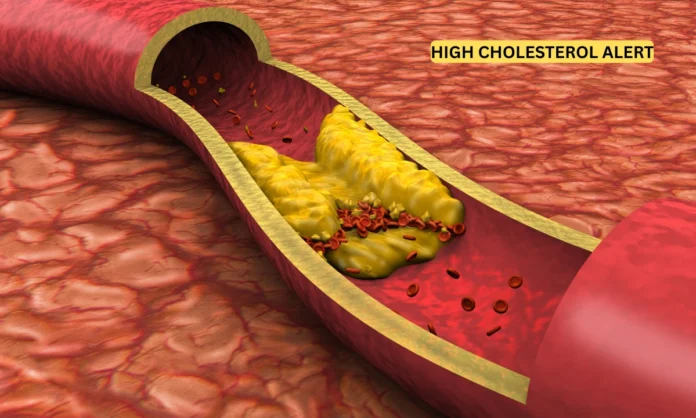
High cholesterol accelerates atherosclerosis development by promoting cholesterol-laden macrophage accumulation in arterial walls, creating vulnerable plaques that can rupture and trigger acute coronary events. The condition also impairs peripheral circulation, potentially causing intermittent claudication during physical activities due to reduced blood flow to limbs. Understanding these physiological mechanisms underscores the critical importance of maintaining optimal cholesterol levels through evidence-based interventions.
| Risk Category | LDL Cholesterol Target | Non-HDL Cholesterol Target |
|---|---|---|
| General/Low Risk | <100 mg/dL | <130 mg/dL |
| High Risk (Diabetes/Hypertension) | <70 mg/dL | <100 mg/dL |
| Very High Risk (Heart Attack/Stroke History) | <55 mg/dL | <85 mg/dL |
Essential Dietary Modifications For Cholesterol Management
- Increase consumption of soluble fiber through whole grains, legumes, fruits, and vegetables to reduce LDL absorption
- Replace saturated fats with heart-healthy omega-3 fatty acids found in fish, flaxseeds, and walnuts
- Eliminate trans fats and limit dietary cholesterol intake to below 300 mg daily
Dietary interventions represent the cornerstone of cholesterol management and should be implemented immediately upon diagnosis of high cholesterol. The Cardiological Society of India emphasizes that lifestyle modifications, particularly nutritional changes, form the foundation of dyslipidemia treatment before pharmaceutical interventions. A heart-healthy diet should prioritize plant-based foods rich in soluble fiber, which binds cholesterol in the digestive tract and facilitates its elimination. Research demonstrates that consuming foods containing omega-3 fatty acids, including fatty fish like salmon and mackerel, can effectively lower triglyceride levels and improve overall lipid profiles.
The India Heart Watch study across 11 cities revealed geographic variations in cholesterol prevalence correlating with dietary patterns, highlighting the substantial impact of nutritional choices on lipid levels. Individuals with high cholesterol should incorporate nuts such as almonds and walnuts, which provide beneficial monounsaturated and polyunsaturated fats that support cardiovascular health. Replacing cooking oils high in saturated fats with olive oil or other plant-based alternatives reduces LDL cholesterol while maintaining or increasing protective HDL cholesterol. These dietary strategies, when consistently applied, can significantly reduce cholesterol levels and cardiovascular disease risk without medication in many cases.
Critical Lifestyle Changes For Cholesterol Control
- Engage in minimum 150 minutes of moderate-intensity aerobic exercise weekly to raise HDL cholesterol
- Achieve and maintain healthy body weight through caloric balance and regular physical activity
- Eliminate tobacco use and limit alcohol consumption to improve lipid metabolism
Physical activity represents one of the most powerful non-pharmacological interventions for managing high cholesterol and reducing cardiovascular disease risk. Clinical guidelines recommend at least 150 minutes of moderate-intensity exercise or 75 minutes of vigorous-intensity activity per week to optimize lipid profiles. Studies indicate that regular exercise increases HDL cholesterol levels, which helps transport excess cholesterol from arterial walls back to the liver for elimination. The ICMR-INDIAB study identified physical inactivity as a major contributor to the rising prevalence of dyslipidemia across Indian states, particularly in urban populations where sedentary lifestyles predominate.
Weight management through sustained lifestyle modifications can substantially improve cholesterol levels, as even modest weight loss of 5-10% of body weight significantly reduces LDL cholesterol and triglycerides. Smoking cessation constitutes another critical intervention, as tobacco use adversely affects HDL cholesterol while promoting oxidative stress and endothelial dysfunction that accelerate atherosclerosis. Managing chronic stress through mindfulness practices, yoga, or regular relaxation techniques helps regulate cortisol levels and prevent stress-induced lipid abnormalities. These comprehensive lifestyle modifications work synergistically with dietary changes to achieve optimal High cholesterol control and reduce long-term cardiovascular disease risk.
Monitoring And Medical Management Approaches
- Schedule lipid profile testing initially at age 18, or earlier with family history of premature heart disease
- Adopt non-fasting lipid measurements as recommended by new CSI guidelines for convenient screening
- Consult healthcare providers for statin therapy consideration when lifestyle modifications prove insufficient
Regular cholesterol monitoring through comprehensive lipid profile testing enables early detection of dyslipidemia and facilitates timely intervention before cardiovascular complications develop. The Cardiological Society of India’s 2024 guidelines recommend initiating lipid screening at age 18 for the general population, with earlier testing for individuals with positive family history of hypercholesterolemia or premature cardiovascular disease. These updated guidelines mark a significant shift by endorsing non-fasting lipid measurements for risk estimation and treatment decisions, improving patient convenience and screening accessibility. For patients who fail to achieve target LDL cholesterol levels through lifestyle modifications alone, evidence-based pharmacological interventions including statins, ezetimibe, or PCSK9 inhibitors may be necessary.
The National Programme for Prevention and Control of Cancer, Diabetes, Cardiovascular Diseases and Stroke under India’s National Health Mission provides population-based screening for common non-communicable diseases including dyslipidemia at district levels. Healthcare providers assess individual cardiovascular risk profiles considering multiple factors including age, blood pressure, diabetes status, and smoking history to determine appropriate treatment intensity. Patients with very high cholesterol or those at elevated cardiovascular risk require aggressive management strategies combining maximum tolerable statin doses with additional lipid-lowering agents to achieve stringent LDL targets below 55 mg/dL. Consistent adherence to prescribed treatments and regular follow-up testing ensures optimal cholesterol control and cardiovascular disease prevention.
Closing Assessment
Addressing high cholesterol through immediate dietary and lifestyle modifications represents a critical public health imperative given that 27.1% of India’s population demonstrates elevated cholesterol levels according to WHO estimates. The comprehensive interventions outlined, including heart-healthy nutrition emphasizing whole grains and omega-3 fatty acids, regular physical activity exceeding 150 minutes weekly, weight management, smoking cessation, and stress reduction, form an evidence-based framework for High cholesterol control. Regional variations in dyslipidemia prevalence across Indian states, with Kerala showing 50.3% hypercholesterolemia compared to Jharkhand’s 4.6%, underscore the need for tailored prevention strategies addressing local dietary patterns and lifestyle factors.
Implementing these changes promptly upon diagnosis, combined with regular lipid monitoring according to new CSI guidelines recommending non-fasting measurements, can substantially reduce cardiovascular disease risk and improve long-term health outcomes. The growing burden of high cholesterol among children and adolescents in India, with 15.3% of 10-19 year-olds in Goa showing elevated LDL levels, emphasizes the urgency of population-wide prevention efforts and early intervention. While lifestyle modifications remain the cornerstone of management, individuals should maintain open communication with healthcare providers to determine when pharmaceutical interventions become necessary for achieving optimal cholesterol targets.