
Key Highlights
- United States and Israel accused Iran’s Revolutionary Guard Corps of orchestrating an assassination plot against the Israeli envoy in Mexico, Ambassador Einat Kranz-Neiger, allegedly initiated in late 2024 and disrupted mid-2025
- Iran’s embassy in Mexico categorically rejected the allegations as a “great big lie” designed to damage Tehran’s historic diplomatic relations with Mexico
- The alleged plot emerges amid unprecedented tensions between Iran and Israel following their direct 12-day military conflict in June 2025 that resulted in over 1,000 Iranian casualties
Opening Overview
The diplomatic landscape between Iran and Israel reached a new flashpoint on November 8, 2025, as Washington and Jerusalem publicly accused Tehran of orchestrating an assassination plot targeting the Israeli envoy in Mexico, Ambassador Einat Kranz-Neiger. United States officials claimed that Iran’s elite Quds Force, specifically the covert Unit 11000 of the Islamic Revolutionary Guard Corps (IRGC), initiated the plot against the Israeli envoy in Mexico in late 2024 before Mexican security services disrupted the operation during summer 2025.
Iran’s embassy in Mexico immediately dismissed the allegations, characterizing the Israeli envoy in Mexico conspiracy claims as fabricated accusations intended to undermine Tehran’s longstanding friendship with Mexico City. The controversy unfolds against the backdrop of escalating Middle Eastern tensions, with Iran and Israel having engaged in direct military confrontation just months earlier, marking an unprecedented escalation in their decades-long shadow conflict.
Mexican authorities found themselves at the center of international intrigue when US intelligence officials briefed reporters that the assassination plot targeting the Israeli envoy in Mexico had been “contained” and no longer posed an active threat. However, Mexico’s foreign ministry stated it had received no official information regarding the alleged incident, while the nation’s Secretariat of Security and Citizen Protection emphasized its commitment to “respectful and coordinated cooperation” within the framework of national sovereignty. The conflicting narratives surrounding the threat to the Israeli envoy in Mexico highlight the complex geopolitical dynamics at play, as accusations fly between adversaries while the host nation maintains diplomatic neutrality.
Operation Details and Intelligence Claims
Alleged IRGC Involvement
- US officials identified the Quds Force’s Unit 11000 as the operational entity behind the plot targeting the Israeli envoy in Mexico, the same specialized division reportedly responsible for attacks on Jewish targets in Australia and Europe
- Intelligence assessments indicate an Iranian operative named Hasan Izadi, also known as Masood Rahnema, coordinated the operation against the Israeli envoy in Mexico while stationed at Iran’s embassy in Venezuela
- The operation allegedly included recruiting local operatives throughout Latin America before the coordinator returned to Quds Force headquarters in Tehran
According to American and Israeli intelligence sources, the assassination plot targeting the Israeli envoy in Mexico represented part of a broader IRGC campaign targeting Israeli and Jewish diplomats across multiple continents. A US official speaking on condition of anonymity stated that the Revolutionary Guards’ elite Quds Force initiated the operation against the Israeli envoy in Mexico in late 2024, with the plot remaining active through the first half of 2025. The official emphasized that “this is just the latest in a long history of Iran’s global lethal targeting of diplomats, journalists, dissidents and anyone who disagrees with them, something that should deeply worry every country where there is an Iranian presence.”
The alleged conspiracy targeting the Israeli envoy in Mexico involved sophisticated operational security, with recruitment operations conducted through Iran’s diplomatic mission in Venezuela. Intelligence documents reviewed by US officials identified the plot against the Israeli envoy in Mexico as coordinated by operatives who had previously spent years handling and recruiting Iranian agents across Latin America. Venezuela’s leftist president, Nicolas Maduro, maintains a tactical alliance with Tehran, providing Iran with what security analysts describe as a “state-sponsored sanctuary” just three hours’ flying time from the United States. The Tehran-Caracas axis enables military cooperation, sanctions evasion, and infiltration of IRGC-Quds Force agents under diplomatic cover, according to security analysts.
Israeli Foreign Ministry Spokesman Oren Marmorstein publicly thanked “the security and law enforcement services in Mexico for thwarting a terrorist network directed by Iran that sought to attack” the Israeli envoy in Mexico. Ambassador Einat Kranz-Neiger has served as the Israeli envoy in Mexico since August 2023, representing Israeli interests during a particularly turbulent period in Middle Eastern geopolitics.
Iran’s Categorical Denial and Regional Context
Iran’s embassy in Mexico issued a forceful rebuttal, calling the allegations concerning the Israeli envoy in Mexico “a great big lie” and “media fabrication” designed to damage friendly and historic relations between Tehran and Mexico City. The embassy’s statement on social media platform X emphasized that “Iran and Mexico share common interests, and the security and dignity of Mexico are the security and dignity of Iran. We will never betray the trust placed in us by the Mexican government.”
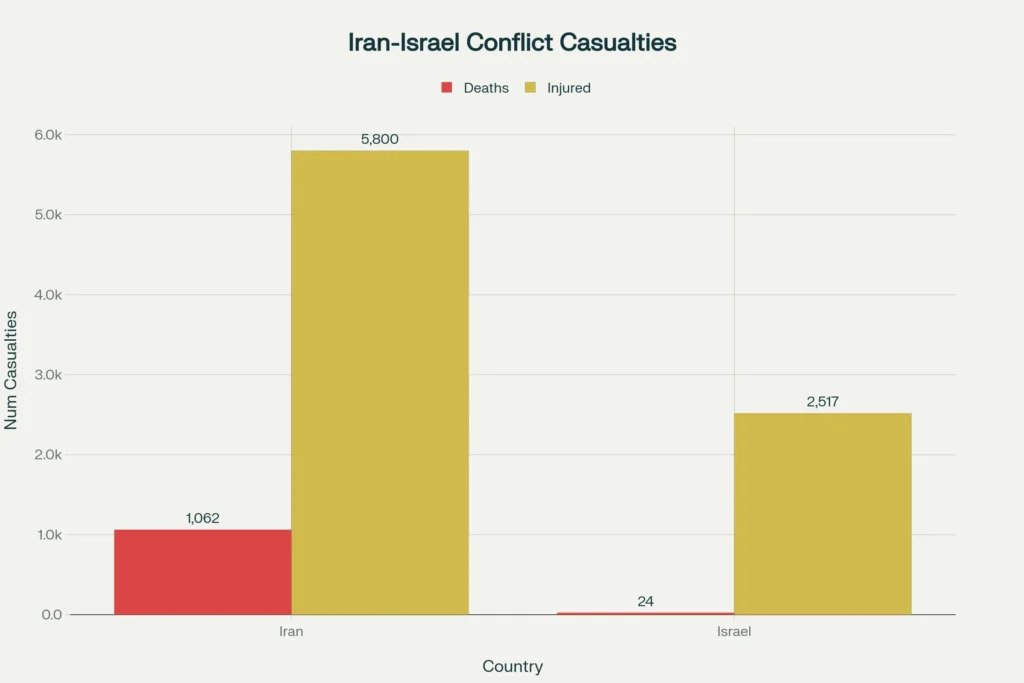
The diplomatic controversy surrounding the Israeli envoy in Mexico occurs as tensions between Iran and Israel reached unprecedented heights following their direct military confrontation in June 2025. From June 13-25, 2025, Israel launched large-scale airstrikes on numerous targets across 27 Iranian provinces, with monitoring organizations recording hits in over 150 distinct locations. According to Iran’s Martyrs Foundation, approximately 1,062 people were killed and 5,800 injured in Iran during the 12-day conflict. Independent human rights organizations reported at least 865 deaths in Iran, including 215 military personnel, 363 civilians, and 287 unidentified individuals as of June 22, 2025.
In Israel, Iranian missile strikes killed at least 24 civilians and injured nearly 600 during the same period, according to Israel’s Ministry of Health, which reported 2,517 people injured as of June 20, 2025. The conflict was halted following a Trump administration ceasefire announcement on social media after Iran conducted a restrained retaliatory attack on al-Udeid Air Base in Qatar, which houses US troops. Israeli and American strikes inflicted extensive damage on Iran’s nuclear facilities, though analysts assessed the attacks fell short of achieving complete destruction of Iran’s contested nuclear program.
Historical Precedents and Latin American Dimensions
Iran’s Regional Network
- Venezuela serves as Iran’s hemispheric hub for operations in Latin America, with IRGC-Quds Force engineers advising Venezuelan oil facilities and air-defense networks
- Near-weekly Mahan Air and Conviasa rotations move Iranian technicians, cash, and sanctioned materiel through customs-free hangars at Simón Bolívar International Airport
- Iran maintains partnerships with populist and authoritarian regimes including Venezuela, Bolivia, Nicaragua, and Cuba
The allegations concerning the Israeli envoy in Mexico recall historical violence linked to Middle Eastern conflicts in Latin America. The deadliest precedent remains the July 18, 1994 bombing of the Asociación Mutual Israelita Argentina (AMIA) Jewish community center in Buenos Aires, which killed 85 people and injured over 300. Argentina and Israel have consistently accused Lebanese militant group Hezbollah of executing the attack at Iran’s request, involving Iranian diplomats and intelligence officers in the operation’s supervision. The AMIA bombing stands as Argentina’s deadliest terrorist attack in history, with the perpetrators remaining unprosecuted three decades later.
The accusations regarding the Israeli envoy in Mexico also follow recent patterns of alleged Iranian operations against Jewish targets in other nations. In August 2025, Australia expelled Iran’s ambassador after intelligence agencies linked the IRGC to an arson attack on Lewis Kosher Kitchen restaurant in Sydney in October 2024 and another targeting Adass Israel Synagogue in Melbourne in December 2024. Australian Prime Minister Anthony Albanese stated that Iran “employed a sophisticated network of proxies to obscure involvement” in the antisemitic attacks, which he characterized as “remarkable and perilous acts of aggression.”
Mexico and Israel established formal diplomatic relations on July 1, 1952, after Mexico recognized Israel in 1949. Both nations opened embassies in each other’s countries, with Mexico establishing its embassy in Tel Aviv in 1959. The relationship has focused on trade, agriculture, technology, and disaster relief cooperation. Mexico historically seeks non-intervention in international affairs and has taken a more cautious stance on the Gaza war than other leftist-led Latin American countries such as Colombia and Chile. While Mexico has backed investigations into allegations of Israeli war crimes, it has maintained diplomatic relations with Israel and kept its embassy open despite regional tensions.
Islamic Republic of Iran plotted to assassinate Israel’s ambassador to Mexico, Einat Kranz Neiger—most likely using their long-standing ties with Mexican cartels to execute the hit.
— The Iran Chronicles (@iranchronicles) November 7, 2025
The Islamic Republic funds proxies via a narco pipeline and is a major global drug trafficker. pic.twitter.com/qpdA3JvGg4
Geopolitical Implications and Escalating Proxy Warfare
The allegations concerning the Israeli envoy in Mexico underscore Iran’s expanding extraterritorial operations against Israeli and Jewish targets worldwide. The Quds Force represents one of five branches of Iran’s Islamic Revolutionary Guard Corps, specializing in unconventional warfare and military intelligence operations beyond Iran’s borders. Analysts estimate the Quds Force numbers between 3,000 and 50,000 personnel, though its exact size remains classified. The force established various specialized units responsible for overseas operations, including the Abu Jihad Foreign Operations Unit, which oversees smuggling and production of improvised explosive devices.
Unit 11000, specifically implicated in the plot targeting the Israeli envoy in Mexico, has emerged as a focal point of Israeli intelligence assessments regarding Iranian operational capabilities. Israeli security services claim this specialized division operates under Quds Force commander Esmail Qaani’s authority, tasked with executing overseas operations against Israeli targets. Recent months witnessed alleged Unit 11000 operations targeting Jewish sites across Australia and Europe, suggesting a coordinated global campaign rather than isolated incidents.
The alleged recruitment of operatives through Iran’s embassy in Venezuela for operations targeting the Israeli envoy in Mexico highlights Tehran’s strategic use of diplomatic facilities for intelligence operations. Security analysts note that Iran invests substantial diplomatic and military resources in key Latin American countries, viewing Venezuela as the hub of continental activities. This infrastructure provides Iran with platforms for asymmetric warfare and logistical support capable of sustaining covert actions throughout the Americas, placing operations within close proximity to the United States.
The timing of the plot against the Israeli envoy in Mexico follows Israel’s April 1, 2024 airstrike on Iran’s embassy complex in Damascus, Syria, which killed several top Revolutionary Guard officers including Brigadier General Mohammad Reza Zahedi and Brigadier General Mohammad Hadi Haji Rahimi. The attack killed at least 11 people according to the Britain-based Syrian Observatory for Human Rights, including eight Iranians, two Syrians, and one Lebanese—all fighters rather than civilians. That strike prompted Iranian vows of revenge and initiated a cycle of direct military exchanges between the adversaries.
Closing Assessment
The disputed allegations concerning the Israeli envoy in Mexico represent the latest chapter in an increasingly overt conflict between Tehran and Jerusalem that has expanded beyond traditional Middle Eastern boundaries into global theaters. Whether the accusations prove accurate or constitute intelligence warfare, they illuminate the dangerous trajectory of Iran-Israel tensions following their unprecedented June 2025 direct military confrontation. Mexico finds itself navigating complex diplomatic waters, balancing its historic non-intervention principles with security cooperation requests from major powers while maintaining relationships with both Western allies and non-aligned nations.
The international community faces mounting concerns about Iran’s alleged extraterritorial operations, particularly the IRGC-Quds Force’s reported capacity to establish sophisticated operational networks under diplomatic cover across multiple continents. For Latin America’s Jewish communities—the largest outside Israel and North America—these developments evoke painful memories of the 1994 AMIA bombing and raise questions about regional security architectures’ ability to prevent similar tragedies. As geopolitical tensions intensify, the controversy surrounding the Israeli envoy in Mexico underscores how regional conflicts increasingly manifest through global proxy operations, testing diplomatic norms and challenging nations to balance sovereignty, security cooperation, and international obligations in an interconnected world where distance provides diminishing protection from distant conflicts.