
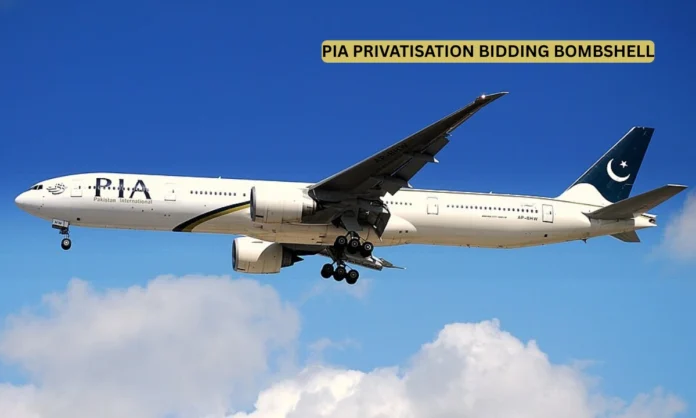
Key Highlights:
- Pakistan schedules live bidding for Pakistan International Airlines (PIA) privatisation on December 23, 2025, to meet IMF bailout conditions.
- The process targets sale of 51-100% shares with full management control, marking first major privatisation in two decades.
- PIA faces accumulated losses over PKR 700 billion, driving urgent divestment for financial revival.
Urgent Push for Pakistan PIA Privatisation Amid Economic Crisis
Pakistan PIA privatisation takes center stage as the government races to offload its loss-making national carrier. Prime Minister Shehbaz Sharif announced the bidding for Pakistan International Airlines on December 23, 2025, with live broadcast across media platforms to ensure transparency. This move revives efforts after last year’s failed attempt, where no bidder met the reserve price.
Pakistan PIA privatisation forms a core pillar of the USD 7 billion IMF Extended Fund Facility (EFF), mandating divestment of state-owned enterprises like PIA to unlock further tranches. The IMF Executive Board meets December 8 for a USD 1.2 billion release, tying future aid to this process completion. Chronic mismanagement has piled losses on PIA, once a regional aviation leader, now burdened by debt and operational inefficiencies.
Broader economic pressures amplify the stakes for Pakistan PIA privatisation. Overseas Pakistanis stand to gain from restored global routes, boosting remittances and tourism. Government officials stress merit-based selection to rebuild PIA’s prestige, aligning with modern standards. As Pakistan navigates fiscal challenges, this privatisation signals commitment to reforms, though success hinges on attracting viable investors.
PIA’s Deep Financial Troubles Fuel Privatisation Drive
- Accumulated losses exceed PKR 724 billion as of 2023, per financial audits.
- Auditor General reports PKR 9 billion revenue loss from unauthorised free/discounted tickets over 2011-2016.
- Recent half-year profit masks ongoing operational deficits after debt restructuring.
Pakistan PIA privatisation addresses decades of financial hemorrhage at the state-owned airline. Official audits reveal PKR 724 billion in accrued losses by end-2023, driven by high fuel costs, aging fleet, and mismanagement. The Auditor General of Pakistan flagged PKR 9 billion in revenue shortfalls from 190,000+ discounted tickets (25-95% off) and 258,990 free tickets worth PKR 5.55 billion between 2008-2017, issued without proper approvals.
Debt restructuring via Scheme of Arrangement transferred PKR 660 billion in liabilities off PIA’s books, yielding a reported PKR 26 billion accounting profit for FY2024 via deferred tax assets. Yet core operations posted PKR 4.6 billion net loss, with revenue at PKR 204 billion against PKR 106.6 billion costs. Administrative expenses hit PKR 8.29 billion, highlighting inefficiencies.
| PIA Financial Metrics (Recent Official Data) | Amount (PKR Billion) |
|---|---|
| Accrued Losses (2023) | 724 |
| Revenue Loss from Discounts (2011-16) | 9 |
| Free Tickets Loss (2008-17) | 5.55 |
| FY2024 Net Loss (Core) | 4.6 |
| Debt Removed via SOA | 660 |
Pakistan PIA privatisation offers a path to inject PKR 30-40 billion upfront from the winner, stabilising operations. Reserves remain negative at PKR 73 billion, underscoring the need for private sector discipline.
IMF Bailout Ties Directly to PIA Sale Process
- USD 7 billion EFF requires PIA divestment as structural benchmark.
- Next USD 1.2 billion tranche (USD 1B EFF + USD 200M climate) pending December 8 IMF review.
- Privatisation Commission oversees prequalification of four parties.
Pakistan PIA privatisation fulfills a key IMF Extended Fund Facility obligation, part of the USD 7 billion programme approved for economic stabilisation. The IMF explicitly links PIA share sale (51-100%, with management control) to disbursements, with year-end bidding essential for ongoing support. IMF Country Report projects Pakistan’s 2025 GDP growth at 2.7% and inflation at 4.5%, hinging on such reforms [web:IMF via fetch].
The Privatisation Commission, under Ministry of Privatisation, lists PIA first in its 2024-29 programme alongside entities like Roosevelt Hotel. In July 2025, its Board prequalified four investors from five Statements of Qualification: Fauji Fertiliser, Habib Rafique, Younus Brothers, Airblue. This follows PC Ordinance 2000 guidelines for transparency.
Pakistan PIA privatisation represents Islamabad’s signal to lenders of reform seriousness. Past failures, like 2024’s aborted sale (PKR 10B bid vs PKR 85B reserve), intensify pressure. Success could unlock IMF funds, easing forex strains.
Privatisation Commission Framework Ensures Transparent Bidding
- Live auction on December 23 broadcast nationwide.
- Prequalified bidders include Fauji Fertiliser and Airblue.
- Operations privatised; assets shifted to PIA Holdings.
Pakistan PIA privatisation proceeds under the Privatisation Commission’s rigorous framework, prioritising PIA due to annual billion-rupee losses. The government site details prequalification: eight initial Expressions of Interest narrowed to four viable parties. PM Sharif’s meeting with stakeholders reaffirmed live streaming for public scrutiny.
Process separates operations for sale from real estate, now under PIA Holdings Company, preserving brand identity. Bidders must commit PKR 30-40 billion capital infusion post-win. This marks Pakistan’s first major privatisation since nearly two decades, per official timelines.
| PIA Privatisation Timeline (Official Milestones) | Date/Event |
|---|---|
| Prequalification Approval | July 2025 |
| Failed Prior Bid | 2024 |
| Bidding Date | Dec 23, 2025 |
| IMF Board Review | Dec 8, 2025 |
Pakistan PIA privatisation builds investor confidence through merit, as PM Sharif noted, aiming to restore global routes.
Potential Buyers and Strategic Impacts Assessed
- Four prequalified: Fauji Fertiliser (military-linked), Habib Rafique, Younus Brothers, Airblue.
- Fleet modernisation, route expansion eyed post-sale.
- Risks include bidder pullouts amid economic volatility.
Pakistan PIA privatisation draws interest from diverse suitors, led by Fauji Fertiliser, Younus Brothers, Habib Rafique, and Airblue. These groups cleared technical/financial hurdles set by Privatisation Commission. Military ties via Fauji raise oversight questions, but process mandates transparency.
Strategic gains include fleet upgrades, fuel hedging, and supply renegotiations, per audits recommending cost controls. Restored international access aids diaspora travel, tourism growth. Yet challenges persist: only 19/30 aircraft operational, safety bans lingering.
Pakistan PIA privatisation could transform aviation sector, but demands sustained reforms beyond sale.
Closing Assessment: Pivotal Moment for Pakistan’s Economy
Pakistan PIA privatisation on December 23 caps a high-stakes reform push, blending IMF imperatives with domestic renewal. Transparent bidding promises a credible handover, potentially ending PKR 700 billion+ loss cycle. Success hinges on strong bids injecting vitality into operations.
This divestment underscores broader fiscal discipline, vital for IMF compliance and investor trust. Overseas Pakistanis and tourism stand to benefit from a modernised carrier. Ultimately, Pakistan PIA privatisation tests resolve: will it revive a national icon or repeat past pitfalls? Observers watch closely as live auction unfolds.