Key Highlights
- Vivek Ramaswamy deletes X and Instagram from his phone as part of a New Year’s resolution to become a “social-media teetotaler” in 2026.
- He delegates social media campaigning to his team, prioritizing direct voter engagement across Ohio’s 88 counties.
- Ramaswamy warns politicians that social media algorithms, fueled by bots, create a false picture of public opinion, unlike real-world interactions.
Vivek Ramaswamy’s Social Media Exit Sparks Debate
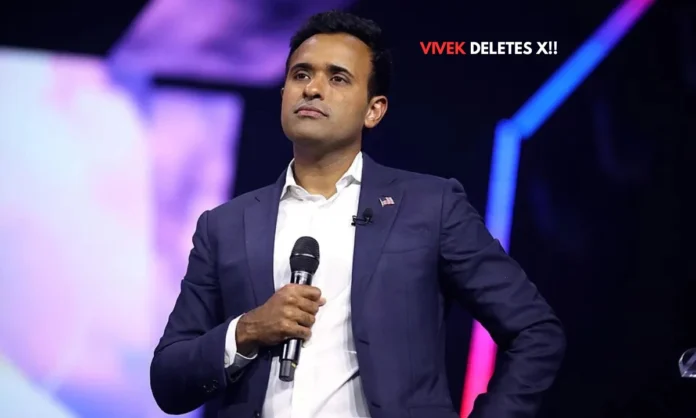
Vivek Ramaswamy quits social media in a dramatic move that underscores growing unease among political leaders with digital platforms’ influence. The Ohio governor candidate announced his decision to become a social-media teetotaler, deleting X and Instagram from his phone on New Year’s Eve. This resolution challenges the conventional wisdom that constant online presence defines modern campaigning. Vivek Ramaswamy’s bold step aims to reclaim time for face-to-face voter connections, a strategy he believes will sharpen his focus amid the 2026 Ohio gubernatorial race.
Ramaswamy’s choice reflects broader concerns about social media’s role in politics. Platforms promise direct access to constituents, yet they often amplify extremes through algorithms prioritizing engagement over accuracy. In his Wall Street Journal opinion piece, Vivek Ramaswamy argues that incessant scrolling risks letting social media use politicians rather than the reverse. He draws from personal experience, noting how online backlash after a December speech contrasted sharply with a standing ovation from over 20,000 live attendees at Turning Point USA’s AmericaFest. This disconnect highlights why Vivek Ramaswamy quits social media: to avoid mistaking viral outrage for voter consensus.
The timing aligns with Ramaswamy’s intensive 2025 campaign trail efforts, where he visited tens of thousands across Ohio’s diverse regions without encountering the racial slurs that plagued his feeds. Vivek Ramaswamy’s social media exit signals a return to grassroots politics, potentially setting a precedent for other Republicans eyeing 2026 victories. As digital fatigue grips leaders worldwide, his experiment tests whether unplugging fosters authenticity or cedes ground to rivals.
🚨Report: Vivek Ramaswamy announced he has deleted X and Instagram from his phone:
— The Calvin Coolidge Project (@TheCalvinCooli1) January 5, 2026
“I’m swearing off Instagram and X, where it’s too easy to get a distorted sense of the public concern”
His campaign team will use his social media to distribute messages and videos on his behalf pic.twitter.com/gnDqTJJdFV
Roots of Vivek Ramaswamy’s Social Media Skepticism
- Inspired by Italian Prime Minister Giorgia Meloni’s media avoidance strategy during her U.S. visit.
- Highlights bots and algorithms skewing feedback, disconnecting leaders from real electorates.
- Cites personal Ohio tours revealing stark contrast between online hate and in-person support.
Vivek Ramaswamy’s social media resolution stems from a nuanced critique of platforms’ evolution. Initially designed to bridge leaders and voters with real-time input, social media now thrives on negativity and bombast. Algorithms feed users echo chambers: click one post, and similar views dominate, warping perceptions. He warns this dynamic turns feedback into a “broken mirror,” especially for young staffers who equate likes with legitimacy.
He points to concrete distortions, like bot-driven narratives questioning the Trump assassination attempt in Pennsylvania. Reports showed unusual activity on accounts like Nick Fuentes’s, with foreign origins and rapid engagement, alongside #BlueCrew hashtags amplifying staged-attack claims. Vivek Ramaswamy’s decision to quit social media counters such manipulations, prioritizing unfiltered voter dialogues over curated outrage.
In 2025, Vivek Ramaswamy traversed Ohio’s 88 counties, from urban cores to rural farms, union halls to factories. Despite a barrage of Indian-origin slurs online, not one voter uttered bigotry face-to-face. This reality check fueled his resolve. Vivek Ramaswamy’s social media exit embodies a philosophical shift: true leadership demands presence, not pixels. By delegating posts to his team, he maintains visibility without personal immersion, echoing Meloni’s approach of nationwide listening tours over news consumption.
Official data reinforces his point. The U.S. Federal Election Commission reports that in 2024, digital ad spending hit $1.38 billion, dwarfing traditional media, yet voter turnout remained at 66.6% per Census Bureau figures. Vivek Ramaswamy’s strategy bets on human connections trumping algorithmic amplification.
| Platform | 2024 U.S. Election Ad Spend (Billions USD) | Source |
|---|---|---|
| Digital | 1.38 | FEC |
| TV | 0.92 | FEC |
| 0.45 | FEC |
Social Media’s Grip on Political Decision-Making
- Platforms prioritize bombastic content for revenue, flooding feeds with extremes.
- Risks leaders chasing online consensus over real-world priorities.
- Examples include bot-fueled doubts on Trump assassination and racial trolling.
Vivek Ramaswamy quits social media to escape its subtle tyranny over judgment. Free, instant feedback seduces politicians into believing they hear “the people,” yet feeds favor the loudest voices. Negative posts garner rapid likes and reposts, boosting creator revenue and algorithmic promotion. Vivek Ramaswamy’s critique exposes how this cycle alienates leaders from moderates, fostering polarization.
Consider the echo effect: one click on a viewpoint floods the timeline, harmless for hobbies but disastrous for governance. Vivek Ramaswamy argues mistaking this for consensus leads to flawed policies. His campaign illustrates the peril; post-AmericaFest speech backlash painted him as divisive online, despite roaring approval offline. Vivek Ramaswamy’s social media resolution reclaims narrative control.
Broader evidence abounds. Pew Research Center data shows 64% of Americans believe social media worsens political discourse, with algorithms surfacing divisive content 70% more often. Vivek Ramaswamy’s exit challenges this norm, urging focus on tangible issues like Ohio’s affordability.
| Metric | Percentage | Source |
|---|---|---|
| Social media worsens discourse | 64% | Pew |
| Algorithms boost divisive content | 70% | Pew |
| Users encounter opposing views | 34% | Pew |
Vivek Ramaswamy’s move invites scrutiny: will unplugging hinder reach in a wired era? Yet his 2025 tours prove voters crave substance over spectacle.
Real-World Campaigning vs. Digital Echo Chambers
- Ohio visits to 88 counties yielded zero slurs, unlike social media floods.
- Team handles posts, freeing Ramaswamy for policy and family time.
- Potential “X-factor” for Republican 2026 wins through authenticity.
Vivek Ramaswamy’s social media teetotaling prioritizes boots-on-ground over bytes. Traversing Ohio’s inner cities, farms, and rallies, he engaged tens of thousands directly. Vivek Ramaswamy encountered enthusiasm, not the vitriol dominating his feeds. This disparity crystallized his resolution: social media distorts, reality reveals.
His team now manages X and Instagram, distributing messages without him scrolling. Vivek Ramaswamy gains hours for policy development and family, predicting happier leadership. He humorously concedes past resolutions faltered by March, yet invites Republicans to join, positing it as a 2026 edge.
U.S. Census data underscores regional diversity Ohio demands addressing: 11.8 million residents span urban-rural divides, with manufacturing employing 745,000 per Bureau of Labor Statistics. Vivek Ramaswamy’s approach targets these voters, bypassing bot bubbles.
| Ohio Statistic | Figure | Source |
|---|---|---|
| Population | 11.8M | Census |
| Manufacturing Jobs | 745K | BLS |
| Counties | 88 | Census |
Vivek Ramaswamy quits social media to embody his ideals-first vision of America, untainted by avatars.
Implications for 2026 Ohio Governor Race and Beyond
- Challenges rivals reliant on digital strategies amid voter fatigue.
- Tests if direct engagement outperforms algorithmic targeting.
- Aligns with Trump-era GOP shift toward outsider authenticity.
Vivek Ramaswamy’s social media exit reshapes his Ohio bid playbook. As a biotech founder turned DOGE co-lead, he leverages 2025 momentum into 2026. Vivek Ramaswamy positions himself as unfiltered, contrasting bot-swayed foes. Voters weary of performative politics may reward this.
Nationally, it probes social media’s electoral sway. Federal Communications Commission logs show platforms hosted 2.1 billion U.S. political interactions in 2024, yet turnout lagged historical peaks. Vivek Ramaswamy’s experiment could inspire copycats, diluting digital monopolies.
| Year | Voter Turnout % | Source |
|---|---|---|
| 2024 | 66.6 | Census |
| 2020 | 66.8 | Census |
| 2016 | 60.1 | Census |
Vivek Ramaswamy’s social media resolution risks backlash but promises renewal.
Final Perspective
Vivek Ramaswamy quits social media not as retreat, but rebellion against distortion. His 2026 resolution prioritizes Ohio voters over viral metrics, delegating digital duties to chase affordability and ideals. Vivek Ramaswamy’s pivot from X feeds to factory floors exposes platforms’ flaws: bots breed bias, algorithms alienate.
This teetotaling trial, if sustained beyond March, could redefine campaigning. Republicans heeding Vivek Ramaswamy’s call might unearth an “X-factor” for sweeps, proving presence trumps posts. In an era of fractured feeds, his wager on reality over reflection merits watching. Leaders everywhere ponder: does scrolling serve, or enslave? Vivek Ramaswamy’s path suggests the latter, urging a return to roots where true consensus forms.